What 'Inclusive Brand Design' Actually Means for Businesses
Clear Owl
Blog
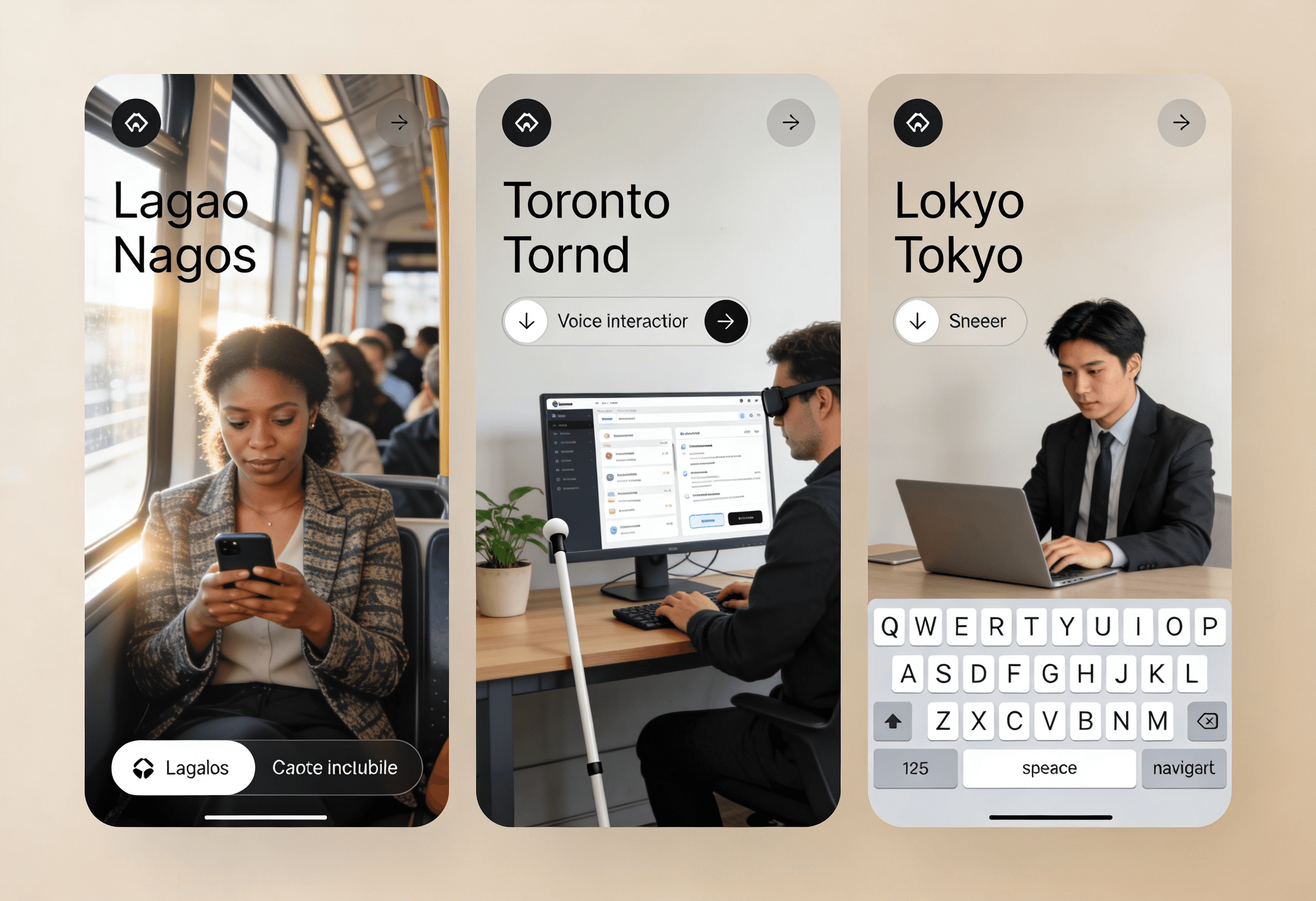
Picture this: Aisha, a project manager in Lagos, opens your website on her mobile phone during her commute. Meanwhile, Marcus in Toronto accesses the same site using screen reader software due to his visual impairment. Simultaneously, Yuki in Tokyo navigates your platform while managing ADHD, needing clear information hierarchy and minimal distractions. Your design choices determine whether all three have a seamless experience or whether two of them struggle unnecessarily.
This scenario illustrates the heart of inclusive brand design. It's not about checking boxes on an accessibility checklist. It's about recognizing that your customers are wonderfully diverse humans with different needs, abilities, and contexts. When you design with genuine inclusion in mind, something remarkable happens: your business becomes more valuable to everyone.
Beyond Compliance: Understanding True Inclusion
Many businesses approach inclusive design as a legal obligation. They implement Accessibility as a Service features, check the requirements off a list, and call it done. But this misses the entire point. Authentic inclusion means weaving accessibility and diverse user experiences into the DNA of your brand from day one, not bolting it on afterward.
Consider how your brand communicates beyond just words. Neuro-Inclusive UX Design matters because roughly one in five people experience neurodivergence, whether that's autism, dyslexia, ADHD, or processing differences. This means designing interfaces that don't overwhelm, that offer multiple ways to navigate, and that respect different cognitive styles. When your design accommodates neurodivergent users, it simultaneously creates clearer, more intuitive experiences for everyone else.
The same principle applies across all your customer touchpoints. Multimodal Interface SEO isn't just a technical consideration; it reflects a fundamental belief that people consume information differently. Some prefer videos, others need text transcripts. Some respond to visual hierarchies, while others rely on clear structural markers. Your brand should speak through multiple channels and formats, creating pathways for every learning style and preference.
Building Experience Equity Into Your Brand
Experience Equity in Branding represents a shift from the old "one-size-fits-most" mentality. It asks: Are we creating equal value and ease of access for everyone interacting with our brand, regardless of their circumstances, abilities, or background?
This extends to how you design customer journeys. If your checkout process works flawlessly for people using desktop browsers but becomes nearly impossible on mobile devices, you're not creating equitable experiences. If your customer service operates only during specific time zones, you're excluding global audiences. If your product requires specific technical knowledge to use effectively, you're building barriers.
Inclusive design thinking reshapes every decision. What color combinations work for people with color blindness? Do your forms provide helpful error messages or cryptic codes? Can users navigate your site with keyboard alone, or only with a mouse? These questions matter because they determine who your brand actually serves.
Ethical AI Design Systems and Responsible Innovation
As artificial intelligence increasingly shapes customer experiences, Ethical AI Design Systems become essential. An AI system trained on biased data will perpetuate those biases at scale. If your recommendation algorithm only shows certain products to certain demographics, you're building discrimination into your operations.
Inclusive brand design means auditing your systems for hidden assumptions. It means recognizing that algorithms are never neutral—they reflect the values and blind spots of their creators. Building ethical AI systems requires intentional diversity in teams, rigorous testing across different user populations, and ongoing monitoring for unintended consequences.
Making Inclusion Your Competitive Advantage
Here's the business reality: inclusive design creates better products. Companies that prioritize accessibility and diverse user needs report higher customer satisfaction, greater market reach, and stronger brand loyalty. When you remove friction from your user experience, when you respect that people are different, you're not just doing the right thing—you're creating better business outcomes.
Start by examining your current brand experience through inclusive eyes. Test with real users who have different abilities. Listen to what people tell you about barriers they encounter. Involve neurodivergent people, people with disabilities, and people from different backgrounds in your design process from the beginning.
Inclusive brand design isn't a destination. It's a commitment to continuous improvement, genuine empathy, and the belief that everyone deserves access to what your business offers.
Ready to assess your brand's inclusivity? Start by auditing one customer journey this week and identifying three friction points that might exclude someone.