Web Design in AI Age: Human Edge
Clear Owl
Blog
Feb 23, 2026
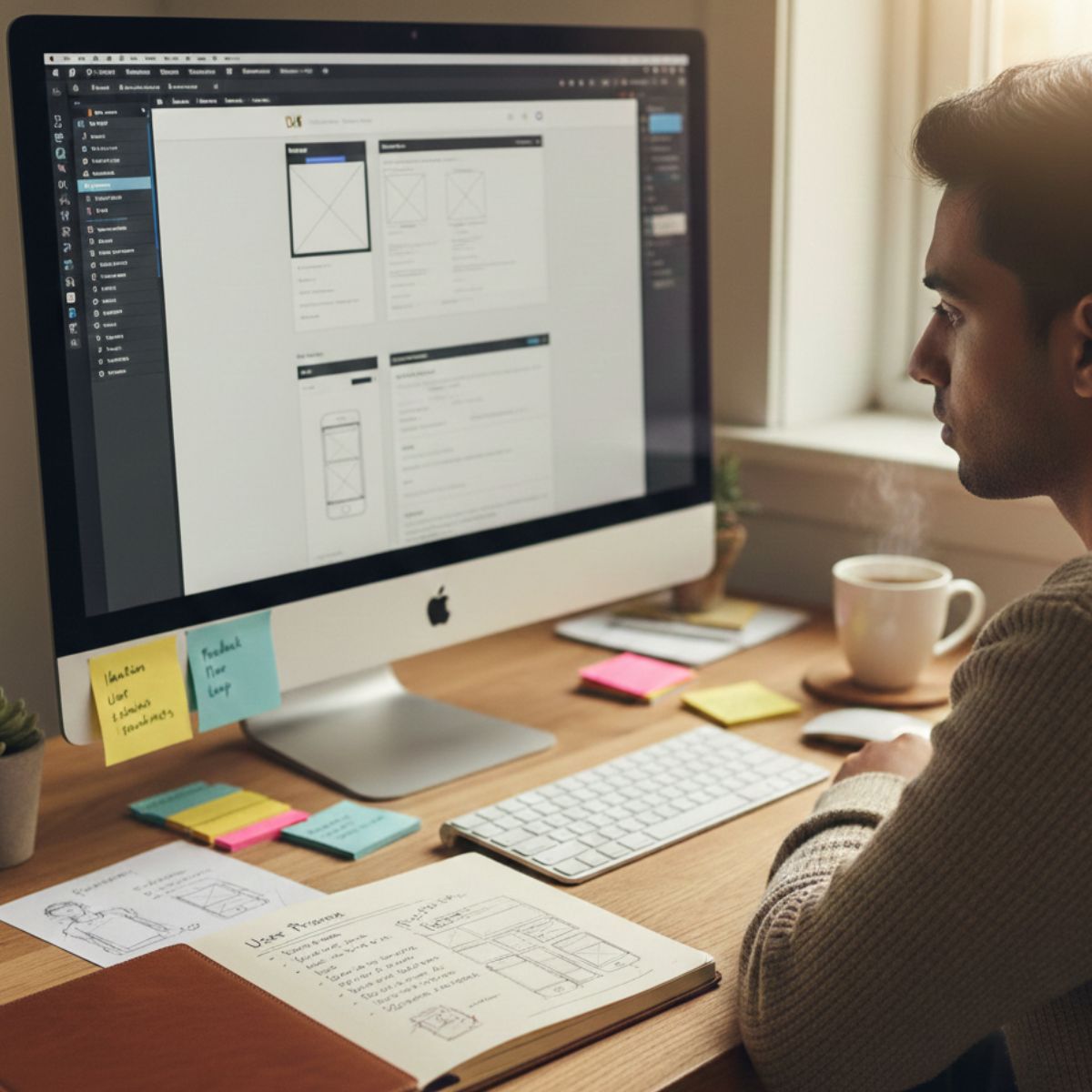
Let's start with a story about Priya, a small business owner in Mumbai, who sits down to redesign her company's website. A decade ago, this would have meant hiring an expensive agency and waiting weeks for mockups. Today, she can just open an Artificial Intelligence (AI) web design tools platform, describe her vision, and watch as layouts are generated in minutes. Impressive, right?
But here's where the story gets interesting. The AI delivers something technically sound—perfectly balanced grids, trending colour palettes, responsive layouts. Yet something always feels off. The site looks like a thousand others. It doesn't tell her story. It doesn't feel like her business.
This is the paradox of designing in an age of AI: technology has democratized creation, but it's also homogenized it.
The human vs AI design conversation often gets framed as a competition. AI versus humans. Winners and losers. But that framing misses something crucial. The real opportunity lies not in choosing between them, but in understanding what each does best.
AI web design tools excel at optimization. They process design principles, accessibility standards, and performance metrics faster than any human could. They eliminate grunt work. They democratize technical knowledge. A solo entrepreneur can now produce work that would have required a team five years ago. That's genuinely transformative.
But optimization isn't creation. Processing patterns isn't understanding purpose.
When you scroll through websites built purely by algorithms, they technically work. They convert, they load fast, they follow web design trends. Yet they often lack something intangible—the spark that makes a visitor pause and actually feel something about the brand. That comes from humans who understand not just design principles, but human psychology, cultural nuance, and the messy, beautiful specificity of what makes one business different from another.
Consider the role of no-code web design platforms. These tools have liberated countless creators from technical gatekeeping. Someone with a brilliant idea but no coding background can now build something real. That democratization is powerful. But the platforms themselves are neutral—they're toolboxes, not vision-makers.
This is where your human edge comes in.
The designers, entrepreneurs, and creators winning right now aren't fighting AI. They're leveraging it strategically while protecting what makes their work irreplaceable: intentionality, cultural awareness, and emotional intelligence.
The most effective approach combines both. Use AI to handle the mechanical parts—generating variations, checking accessibility compliance, optimizing performance. But invest your creative energy where AI can't go: understanding your audience's unspoken needs, making bold strategic choices about what to emphasize, and crafting authentic UX design that reflects your brand's genuine personality rather than algorithmic assumptions.
Authentic UX design isn't about flashiness or following trends blindly. It's about creating experiences that feel honest. A website that knows its purpose. A design that serves the user first and the algorithm second. A digital space that feels like meeting a real person, not encountering a template.
The teams and solopreneurs thriving in this moment are doing something specific: they're using AI web design tools to amplify their thinking, not replace it. They're letting algorithms handle what's repetitive so they can focus on what's strategic. They're understanding their users deeply enough to recognize when an AI suggestion is brilliant—and when it's missing the point entirely.
Your human edge isn't nostalgia for the pre-AI era. It's the ability to make judgment calls that algorithms can't. To understand context. To embrace imperfection when it serves authenticity. To know when to break the rules because the rules don't fit your specific situation.
The websites that will matter most over the coming years won't be the most technically perfect. They'll be the ones that feel intentional. The ones where you can sense a real human making real choices. The ones where technology serves a genuine purpose rather than technology being the point itself.
So use the tools. Absolutely. Let them handle optimization. But protect your creative judgment. That's your real competitive advantage—now more than ever.